
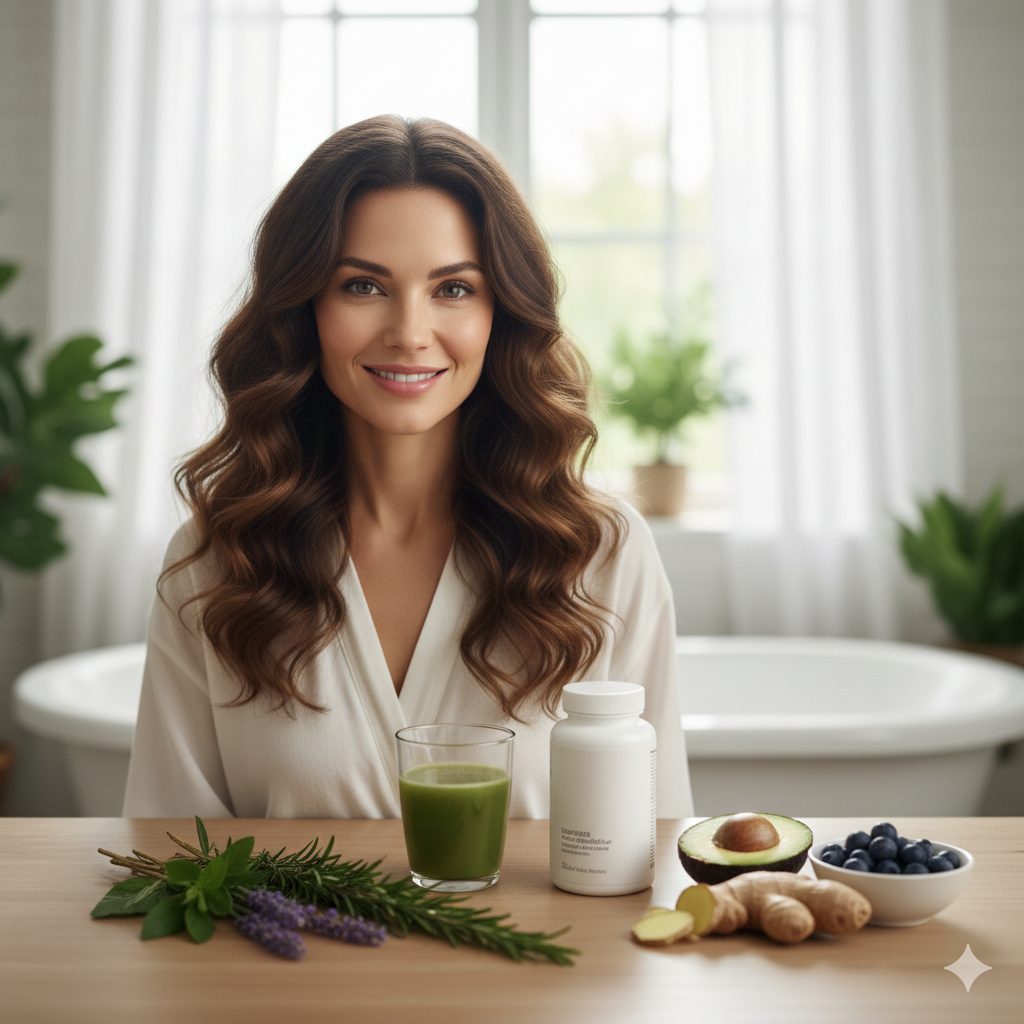
Discover the best natural ways to keep your colored hair healthy and vibrant without using harsh chemicals Dyeing your hair is a fun way to express your personality, refresh your style, or simply experiment with new looks. However, colored hair often requires extra care to stay healthy, shiny, and vibrant. Many people turn to salon treatments to maintain their hair’s condition, but natural methods can be just as effective—and much gentler. By understanding how coloring affects your hair and using nature’s best ingredients, you can keep your locks strong, smooth, and radiant without relying on harsh chemicals. Let’s explore some natural ways to care for your colored hair and preserve its beauty.
Understanding How Hair Color Affects Hair Health
Coloring your hair changes its structure. The dyeing process—whether you go lighter or darker—often involves opening the hair cuticle so pigment can be deposited deep inside the strand. This chemical alteration can weaken the outer layer of the hair, making it more porous and prone to dryness or breakage. Understanding this helps you choose the right natural care approach.
When hair becomes porous due to coloring, it loses moisture faster than untreated hair. You might notice your strands feeling rough, dull, or frizzy over time. This happens because the natural oils that coat and protect the hair have been disrupted. To counteract that, your hair routine needs to focus on sealing moisture back in.
Another important aspect to understand is how pH balance affects colored hair. Most dyes are alkaline, which raises the hair’s pH and leaves cuticles open. This makes hair more vulnerable to damage. Natural treatments with slightly acidic ingredients, like apple cider vinegar rinses, help restore the right pH balance and close the cuticle.
It’s also critical to recognize that different colors and dyeing methods have varying impacts. Bleaching is far more damaging than simply applying a darker tint. Semi-permanent dyes are gentler because they coat the strand instead of penetrating deeply, whereas permanent dyes may alter your hair’s natural protein structure.
Colored hair also has different care needs depending on the texture. Curly or wavy hair tends to be drier by nature, so coloring can amplify that dryness. Fine or thin hair, on the other hand, might lose volume or elasticity faster. Knowing your hair type helps you pick specific natural remedies that won’t weigh it down or strip color away.
The condition of your scalp matters too. Healthy hair grows from a healthy scalp, so any care routine for colored hair should include nourishment for the skin underneath. Natural oils, herbs, and gentle exfoliants can all help maintain a balanced scalp environment that supports shiny, strong growth.
Finally, understanding hair health means paying attention to your overall habits. Stress, poor diet, and lack of hydration can all affect the vibrancy of your color. Natural care is not just about what you apply externally but also about how you care for your body from within.
In short, before jumping into treatments, take the time to assess how coloring has changed your hair’s texture, elasticity, and shine. The better you understand your hair’s new condition, the better you can select natural strategies to restore and protect it for the long term.
Using Natural Oils to Restore Shine and Strength
One of the easiest and most effective ways to heal colored hair naturally is by using nourishing oils. Natural oils can repair damage, replace lost moisture, and lock in the vibrancy of your color. These oils mimic your scalp’s natural sebum, helping smooth and protect each strand.
Coconut oil is a well-known favorite, prized for its deep penetration and rich fatty acids. Applying warmed coconut oil once or twice a week can help strengthen weakened hair shafts, reduce protein loss, and add a glossy sheen that brings out your color’s radiance. Just remember to rinse thoroughly to avoid buildup.
Argan oil is another excellent choice, especially if your colored hair feels brittle. Rich in vitamin E and antioxidants, argan oil helps seal in moisture and smooth frizz without making your hair greasy. A few drops applied to damp hair make a great natural leave-in conditioner.
For lighter hair colors, jojoba oil and grapeseed oil are ideal because they’re lightweight and won’t darken your shade. These oils help detangle and soften your hair while preventing environmental damage. They also protect color pigments from fading too quickly.
Castor oil, although thicker, works wonderfully for restoring strength and promoting growth. Mixing a few drops with a lighter carrier oil before application can make it easier to spread evenly. This simple blend nourishes the hair and reinforces its roots.
Olive oil, long cherished in natural beauty rituals, can be used as a weekly treatment. Warming a small amount and massaging it into your scalp and hair helps with hydration and adds natural shine. Leaving it on for about 30 minutes before rinsing can make your strands feel softer and more resilient.
Another effective approach is oil layering. This involves applying a lighter oil first (like argan or grapeseed) followed by a heavier one (like coconut). The technique locks moisture into the hair shaft, which is beneficial for color-treated hair prone to dryness.
The key with natural oils is consistency. Regular, moderate use helps sustain healthy balance without clogging follicles or weighing down your hair. Over time, you’ll notice improved shine, smoother texture, and reduced split ends—naturally enhancing the beauty of your colored hair.
Protecting Colored Hair from Sun and Heat Damage
Colored hair is especially vulnerable to UV exposure and high temperatures. The sun’s rays can fade pigments and weaken strands, while frequent use of styling tools may cause dryness. That’s why protecting colored hair from sun and heat damage is essential for lasting color and health.
Start by limiting direct sunlight when possible. Wearing hats or scarves provides immediate physical protection, shielding your hair from UV rays that can dull your color. You can also look for natural UV protectant sprays made with plant-based ingredients like green tea or aloe vera.
Leave-in conditioners with built-in natural filters help, too. Ingredients such as shea butter and coconut extract create a barrier that retains moisture and minimizes color loss. You can easily make your own by blending aloe gel with a few drops of your preferred essential oil.
When it comes to heat styling, try to let your hair air-dry whenever possible. Blow-drying, straightening, or curling too often makes your color fade faster and can cause breakage. If you must use heat, apply a tiny bit of jojoba or argan oil as a natural heat protectant.
Cold or lukewarm water during washing is another subtle yet impactful habit. Hot water lifts the hair cuticle and drains color, while cooler water helps seal it back down, retaining vibrancy and shine. This simple adjustment can make a big difference over time.
Also, consider spacing out washing days. Colored hair does best when washed less frequently. Every two to three days is often ideal, allowing natural oils to nourish your strands naturally. On off-days, use a dry shampoo made from cornstarch or arrowroot powder to absorb excess oil without interfering with your color.
If you’re planning beach days or pool time, be aware that both saltwater and chlorine can strip color. Before swimming, wet your hair with clean water and apply a light coating of coconut or olive oil to form a protective layer. Afterward, rinse thoroughly and follow with a natural conditioning rinse.
Incorporating these protective steps ensures your color remains rich and shiny. Consistency in small habits, such as using oil barriers and wearing hats, can drastically improve the longevity of your dyed hair.
Nourishing Your Hair with DIY Herbal Treatments
Herbal remedies have been trusted for centuries for their rejuvenating properties, and they’re perfect for colored hair. Herbs are gentle, aromatic, and packed with nutrients that restore life to dull strands without synthetic chemicals.
Aloe vera is one of the best natural conditioners for all hair types. Its gel hydrates, strengthens, and soothes the scalp while balancing pH. Mixing aloe vera with coconut milk or honey makes a luxurious moisturizing mask for color-treated hair.
Chamomile is wonderful for lighter shades of hair, adding subtle brightness and softness. A simple chamomile tea rinse after shampooing can enhance golden tones while calming irritation and dryness. It’s a great way to refresh your color naturally.
For darker shades, rosemary and sage are ideal herbs. They not only deepen natural color tones but also stimulate hair growth and shine. Steep them in hot water, let cool, and use as a final rinse to keep darker hues rich and vibrant.
Henna, a natural dye, deserves special mention. When used properly, it coats the hair with color while providing deep conditioning benefits. It strengthens the cuticle and adds body and gloss. However, be sure to choose high-quality, chemical-free henna to avoid unwanted reactions.
Green tea can also work wonders as a rinse. Packed with antioxidants, it helps protect color-treated hair from environmental stress. Regular use supports scalp health and prevents color fading caused by free radicals.
For a nourishing mask, try blending herbal powders like amla or bhringraj with yogurt and honey. This mixture not only restores vitality but also adds a natural sheen and suppleness. Leave it on for about 20 minutes before rinsing for best results.
Herbs such as lavender and nettle also balance oil production and strengthen weakened strands. You can create your own herbal infusion to spritz between washes for added hydration. It’s a refreshing, all-natural way to care for your color.
Experimenting with DIY herbal treatments lets you customize a routine based on your hair’s unique needs. Consistency and gentle care will gradually help your colored hair regain its luster—without depending on commercial products full of chemicals.
Colored hair can be both beautiful and delicate, requiring more mindful care to maintain its health. By understanding how coloring affects your strands, choosing natural oils for nourishment, protecting against heat and sun, and experimenting with herbal treatments, you can keep your hair strong and vibrant. The beauty of natural care lies in its simplicity and effectiveness—no harsh ingredients, just pure nourishment. Over time, embracing these gentle practices will not only preserve your color but also enhance the overall vitality of your hair. Treat your colored locks with patience and love, and they’ll reward you with natural shine and lasting beauty.


0 Comments